
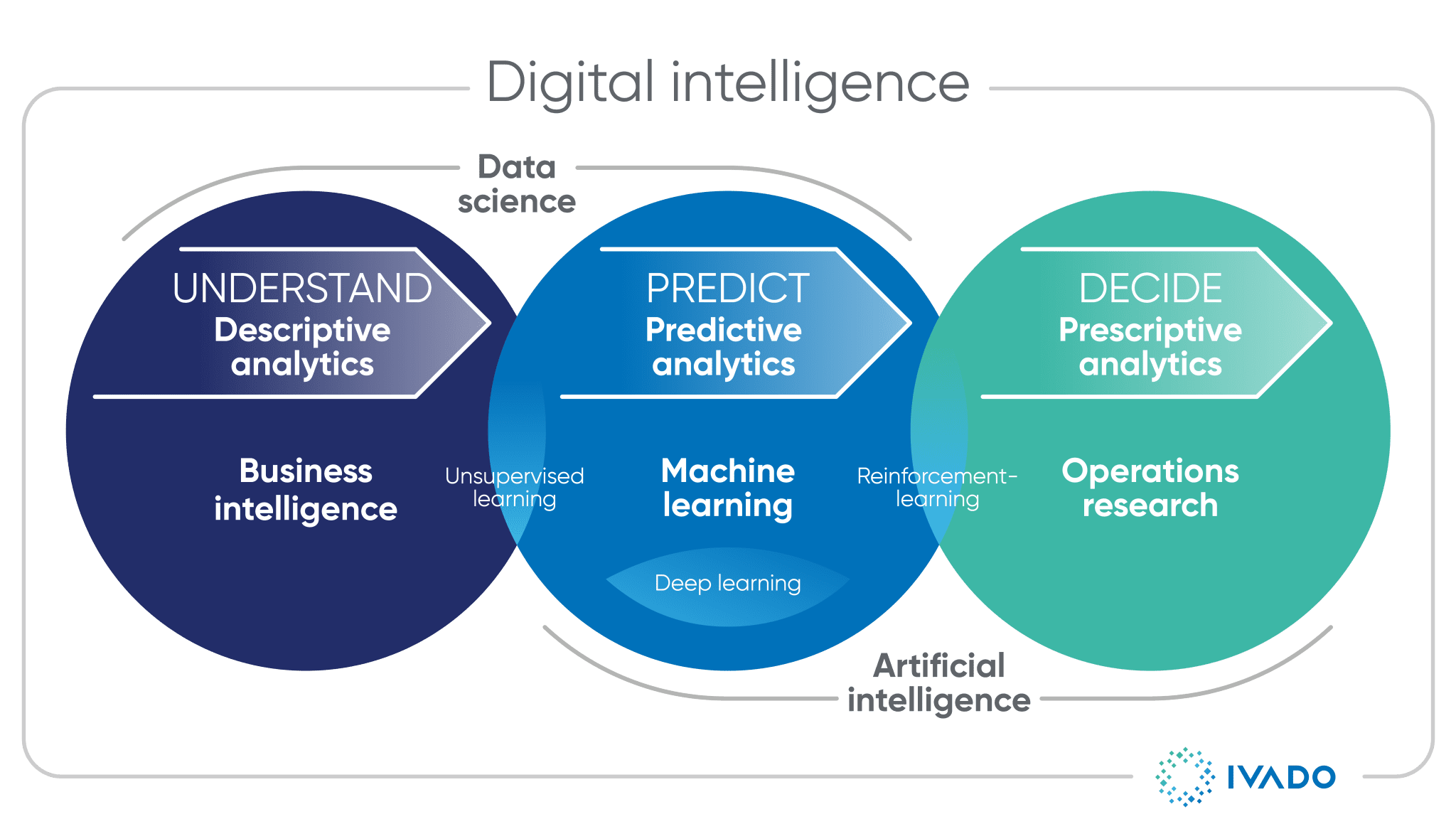
We live in an age of digital cacophony. Every click, scroll, like, and purchase adds another note to an immense, chaotic symphony of data. For years, businesses have been told to “listen to the data,” but the result has often been a deafening roar of information with little coherent melody. The challenge is no longer about collecting the notes; it’s about composing them into something meaningful. This is the realm of digital intelligence—not merely having data, but possessing the wisdom to understand and act upon it in real-time.
True digital intelligence is the cultivated capacity of an organization to synthesize information from every digital touchpoint, transforming raw data into strategic insight and decisive action. It’s the difference between a librarian who simply catalogs books and a scholar who can cross-reference entire libraries to predict future trends. In today’s landscape, this isn’t a competitive advantage; it’s the very price of admission.
Beyond the Dashboard: What Digital Intelligence Really Means
Many conflate digital intelligence with analytics. They picture a dashboard filled with graphs tracking weekly website visitors or social media engagement. While these are components, they represent a shallow understanding. Analytics is the “what”; digital intelligence is the “so what” and “now what.”
Imagine a retail company sees a 20% spike in online traffic for a specific product. Analytics reports the spike. Digital intelligence, however, weaves together threads from disparate sources: social sentiment analysis reveals a viral TikTok video featuring the product, supply chain data flags a potential stock-out in three days, and customer service logs show a recurring question about compatibility. The intelligent system doesn’t just report; it alerts the marketing team to capitalize on the trend, prompts the inventory system to reorder, and suggests an FAQ update to the web team. It’s a proactive, interconnected system of understanding.
The Core Pillars of a Digitally Intelligent Organization
Building this capability isn’t about buying a single piece of software. It’s a cultural and operational shift built on several foundational pillars.
Data Synthesis and Connectivity
Silos are the arch-nemesis of digital intelligence. When marketing data doesn’t talk to sales data, and customer service insights are walled off from product development, you get a fragmented, incomplete picture. The first step is breaking down these barriers to create a single source of truth. This means integrating CRM, ERP, web analytics, social listening tools, and even IoT sensors into a cohesive data ecosystem.
Contextual and Predictive Interpretation
Data without context is noise. A 40% cart abandonment rate is just a number. But when digital intelligence provides context—showing that most abandonments happen on the mobile site after the third step of checkout, and correlating this with performance metrics that reveal a slow-loading payment page—the number becomes an actionable insight. The most advanced systems move beyond explaining the past to predicting the future, using machine learning to forecast customer churn, demand fluctuations, and emerging market opportunities.
Ethical Agility and Action
Insight without action is intellectual procrastination. Digital intelligence must be wired directly into decision-making processes, enabling what we might call “ethical agility.” This is the ability to act swiftly on intelligence while maintaining a rigorous ethical compass. It’s about using customer behavior data to personalize an experience, not to manipulative ends. It’s about A/B testing to improve user experience, not to exploit psychological vulnerabilities. An organization with high digital intelligence understands that trust is its most valuable data point.
The Human Element in the Machine
A common fear is that digital intelligence will automate away human intuition. The opposite is true. The goal is not to replace human judgment but to augment it. Machines are exceptional at processing vast datasets and identifying correlative patterns. Humans excel at understanding nuance, cultural context, and the “why” behind the “what.”
The most powerful applications of digital intelligence occur in the collaboration between human and machine. An AI might flag a segment of users who are highly likely to unsubscribe. A human manager, armed with that intelligence, can then craft a personalized, empathetic outreach campaign that addresses the unspoken needs the data can only hint at. The machine provides the signal; the human provides the soul.
Cultivating Your Own Digital IQ
So, how does an organization begin to cultivate its digital intelligence? It starts with a mindset, not a budget.
First, champion curiosity over reporting. Shift the question from “What were our numbers last quarter?” to “What is this data trying to tell us about our customers’ future needs?”
Second, prioritize literacy across all departments. Digital intelligence shouldn’t be locked away in the IT department. From marketing to HR, every team must speak the language of data and feel empowered to ask questions of it.
Finally, foster a culture of experimentation. Digital intelligence thrives in an environment where hypotheses can be rapidly tested, learnings are integrated, and occasional failure is seen as a valuable data point. It’s about creating a feedback loop where intelligence informs action, and action, in turn, generates new intelligence.
Conclusion: From Noise to Harmony
The digital symphony will only grow louder. The companies that will thrive are not those with the biggest amplifiers, but those with the most skilled conductors. Digital intelligence is the baton that allows us to transform disjointed noise into a harmonious strategy. It is the disciplined practice of listening, understanding, and orchestrating our resources to create value in a world saturated with information. By moving beyond mere data collection to a deeper, more integrated, and human-centric form of wisdom, we stop being passive listeners and become the composers of our own future.
For more insights, check out DailyWorldPress.click.